

Thrive RISE
Thrive RISE (Resilience in Shared Emergencies) is the backbone of disaster resilience in San Mateo County. Thrive RISE is a specialized coalition designed to bridge the gap between government response and neighborhood-level needs known as a COAD (Community Organizations Active in Disaster). Thrive RISE is made possible with the generous support of Silicon Valley Community Foundation.
In a crisis, the most effective help is often local. A COAD organizes the unique strengths of the community into a single, coordinated force. When nonprofits, places of worship, and volunteer groups work together through a COAD, they transform from isolated service providers into a unified safety net. This structure ensures that resources such as food distribution and emergency shelter are deployed efficiently and equitably.
Thrive RISE coordinates the "boots on the ground" with County Emergency Management across all phases of a disaster:
Mitigation & Preparation: Thrive RISE ensures that community leaders are trained and that communication channels are established long before a disaster strikes.
Response: When an emergency occurs, Thrive RISE synchronizes the efforts of food pantries, faith-based centers, and medical nonprofits to prevent overlaps and fill gaps in service.
Recovery: Thrive RISE provides a platform for long-term collaboration to help neighborhoods rebuild and remain resilient against future threats.
For a nonprofit or community group, being a member of the COAD means they will not be guessing where to go or who to help when a disaster hits. Members become part of a professional, pre-planned network that knows exactly how to plug each respective organization’s specific expertise into the county’s broader emergency plan.
Thrive’s Role in the COAD
Thrive serves as the operational lead for the COAD, providing the administrative infrastructure and strategic leadership required to turn a diverse group of organizations into a high-functioning disaster response team. While the COAD is composed of dozens of independent entities, Thrive acts as the central hub, ensuring that the network remains organized, informed, and mission-ready year-round.
By managing the logistical "heavy lifting," Thrive allows individual nonprofits to focus on their core missions during a crisis. Key functions include:
Liaison to County Government: Thrive serves as the official point of contact between the COAD and San Mateo County Emergency Management. This ensures the nonprofit sector has a seat at the table during official county planning and that government leaders have a clear inventory of community-led resources.
Strategic Communication: During an emergency, Thrive manages the flow of verified, real-time information. This ensures that community organizations and faith-based leaders receive the data they need to protect their clients and combat misinformation.
Operational Management: Thrive facilitates the ongoing coordination required for a "warm" network. This includes organizing monthly meetings, hosting specialized disaster training, and brokering partnerships—such as connecting food distribution centers with volunteer groups that possess transportation assets.
Asset Mapping and Readiness: Thrive leads the effort to identify community strengths before a disaster occurs. By mapping which organizations offer bilingual staff, commercial kitchens, or specialized medical equipment, Thrive ensures that resources can be mobilized in minutes rather than days.
To ensure this coordination reaches every corner of the community, Thrive facilitates specialized Issue Area Committees. These working groups move beyond high-level planning to address the unique risks and requirements of specific populations, ensuring that no resident is overlooked during a disaster.
Issue Area Committees
While broad disaster planning provides a foundation, effective resilience requires deep expertise in the specific vulnerabilities of different demographics. To address this, Thrive RISE facilitates four Issue Area Committees. These working groups serve as formal bodies where nonprofits, community organizations, and service providers collaborate to collectively reduce risk and strengthen capacity across the sector. These Issue Area Committees are generously supported by Sequoia Healthcare District and Peninsula Health Care District.
To learn more and express interest in joining an Issue Area Committee, please fill out this Google Form.
Children & Childcare
This committee focuses on the protection of minors and the operational continuity of childcare infrastructure. Members work to ensure that the developmental and safety needs of children are prioritized in county-wide emergency logistics.
Older Adults & Access and Functional Needs (AFN)
Dedicated to residents who require specific assistance due to physical, sensory, or cognitive challenges. The group develops frameworks for accessible emergency communication, specialized transportation, and the fortification of support networks for those living independently.
Mental Health & Spiritual Care
This group addresses the psychological and emotional toll of shared emergencies. By coordinating psychological first aid and spiritual support networks, the committee ensures that trauma-informed care is integrated into the immediate response and long-term recovery phases.
Food Security
Focused on the stability of the local nutritional supply chain. This committee coordinates the efforts of food banks, local pantries, and distribution networks to eliminate service gaps and ensure equitable food access during periods of significant logistical disruption.
Committee Co-Chairs
Children & Childcare

Melissa Poling
Director, Fresh Lifelines for Youth

Andres Romero
Executive Director, Sequoia YMCA
Mental Health & Spiritual Care

Isabella Tablante
Peer Specialist, allcove
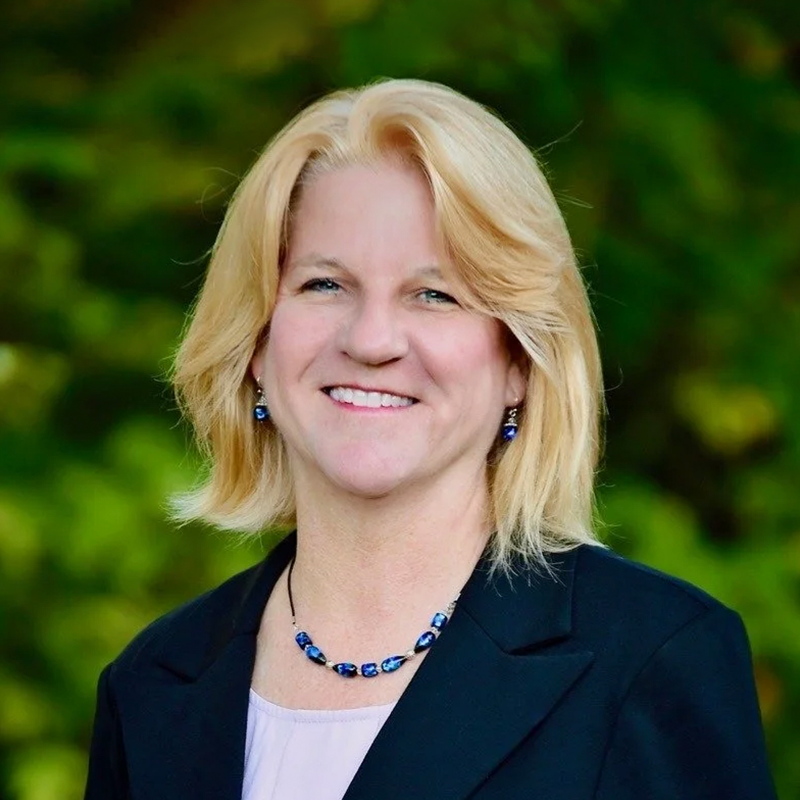
Laura Parmer-Lohan
Executive Director, NAMI SMC
Older Adults & Access and
Functional Needs

Heather Cleary
CEO, Peninsula Family Service
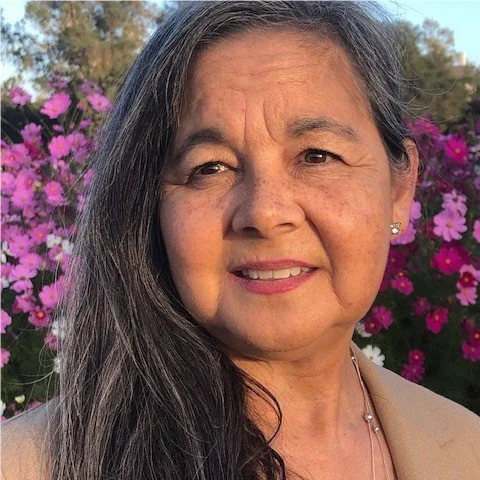
Irma Rodriguez Mitton
Executive Director, Arriba South Coast
Food Security

Daisy Li
CEO, Moonstar Charitable

Judith Guerrero
Executive Director, Coastside Hope
COAD Meetings
Monthly Issue-Area Committee Meetings
These meetings are the "work sessions" for the four specialized issue areas. They focus on moving specific projects from ideas to action. Once a month, committee members meet to:
Execute Joint Projects: Collaborate on specific initiatives, such as creating shared resource maps or developing public education campaigns.
Coordinate Resources: Share organizational updates to ensure that services—like food distribution or senior wellness checks—are synchronized rather than duplicated.
Problem Solve: Identify emerging risks within their specific sector and develop collective strategies to address them.
Quarterly General Meetings (For All Members)
Every three months, the entire Thrive RISE membership convenes for a high-level briefing. These sessions are the primary touchpoint for General Members who want to stay informed without committing to a monthly working group. During these meetings:
Committee Share-Outs: Each issue area committee provides updates on their current projects and findings so the entire network stays aligned.
Training & Education: Members receive briefings from experts on disaster preparedness, climate resilience, and new scientific advances in the field.
COAD-Wide Updates: Thrive provides updates on large-scale county projects, legislative changes, and upcoming disaster simulation exercises.
Networking: These sessions provide an opportunity for all members—from local nonprofits to county officials—to build the relationships necessary for a fast, trust-based response during a real emergency.
Interested in joining the COAD mailing list?
Please reach out to betty@thrivealliance.org for more information.
CONTACT US
We appreciate your interest in exploring our programs and ways to get involved. This area is managed by our Community Resilience Manager, Betty, who would be happy to connect with you. Please fill out the contact form, and Betty will follow up with you soon.

Betty Nen
Community Resilience Manager